Description
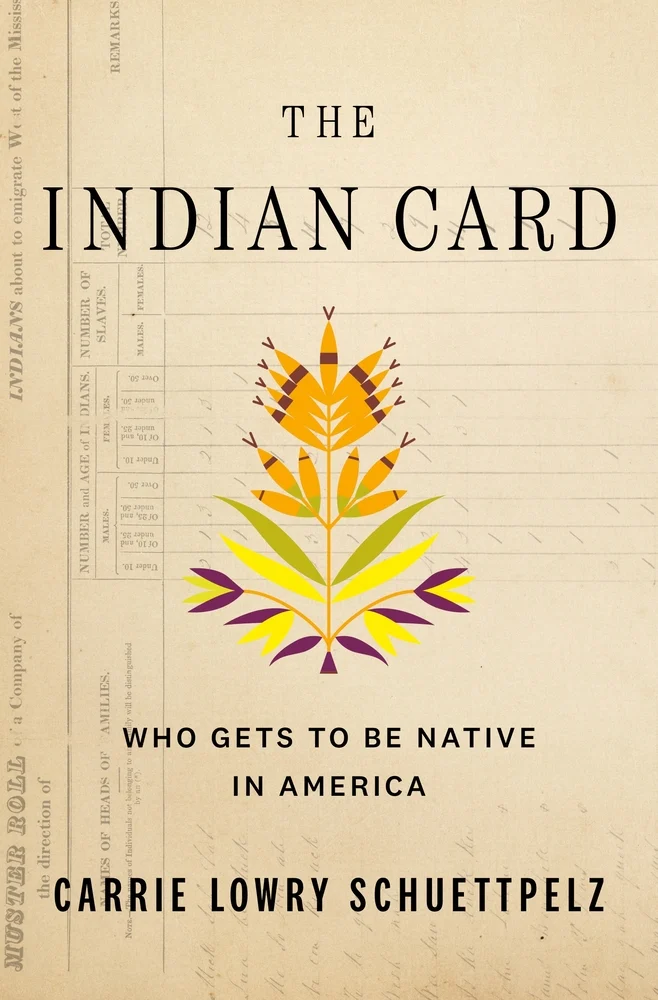
So, this book, “The Indian Card,” it’s kind of a big deal. It’s a personal and groundbreaking look at tribal enrollment and what it means to be Native American in the US. The Whiting Foundation Jury called it “candid, unflinching,” and said it’s a “courageous gift” to understanding Native life. High praise, right?
It dives into this question: Who is “Indian enough”? It’s a loaded question, and this book doesn’t shy away from it.
Here’s the thing: the number of people claiming Native identity in the US has exploded, like, up 85% in just ten years! But the number of people enrolled in Tribes? Not so much. The government recognizes tribal sovereignty, but being a member often means navigating these crazy blood quantum laws and rolls that the government itself created to assimilate Native people and diminish tribal sovereignty. Talk about a contradiction.
There are over two million enrolled Native people, but there are also Native people who will never be enrolled. People who, for all sorts of reasons—displacement, disconnection, you name it—can’t get that “Indian card” and may be denied access to certain resources or tribal benefits.
Carrie Lowry Schuettpelz, the author, grapples with all of this in “The Indian Card.” She shares stories from in-depth interviews with people caught in this identity mess, trying to figure out who they are outside of all the bureaucracy. She also digs into the history of blood quantum and tribal rolls, exposing the government’s interference in Native identity.
And she gets personal. She reckons with her own identity, her enrollment, and her kids’ enrollment. She investigates the cultural, racial, and political dynamics of tribal identity policing.
Ultimately, “The Indian Card” sheds light on the ongoing fight for Native sovereignty and what it looks like to find a deeper sense of belonging. It’s a must-read if you want to understand the complexities of Native identity in America today.